
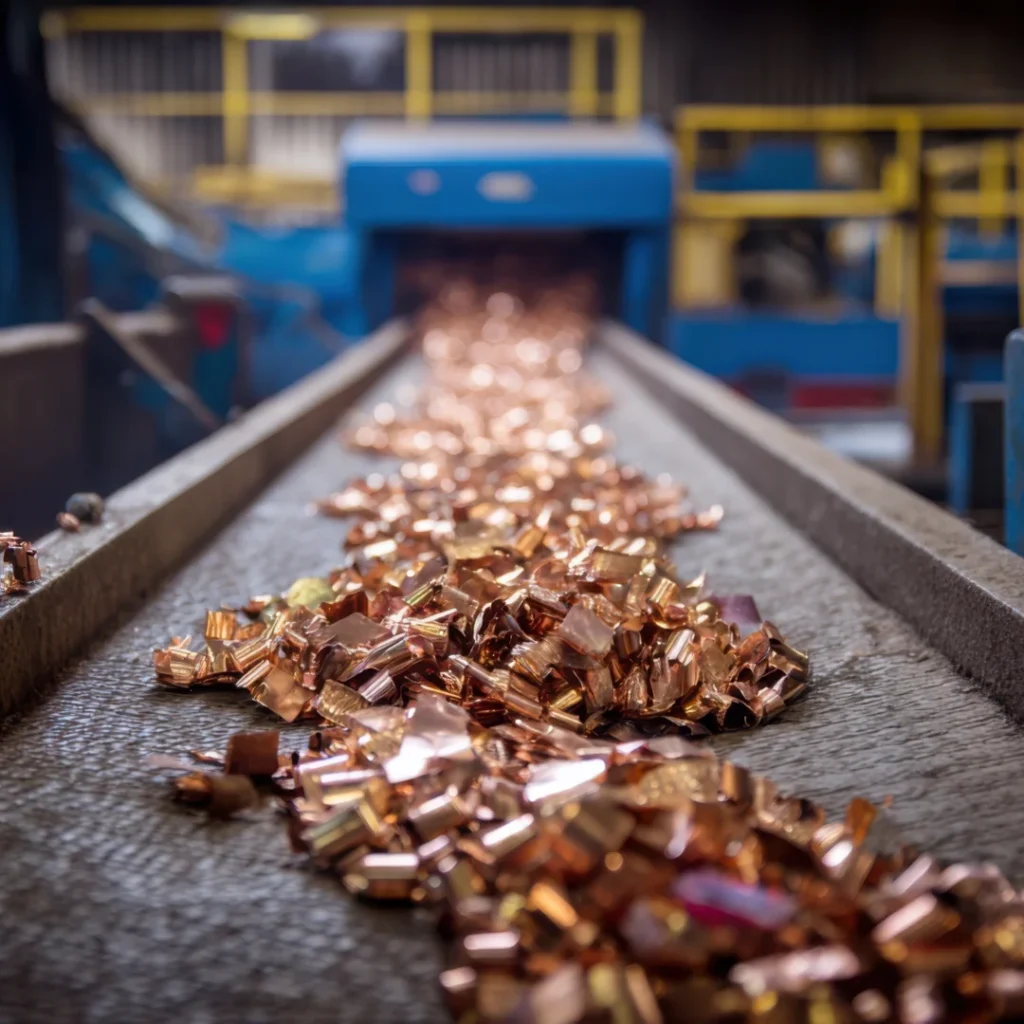
The process at Zero Waste Solutions
In metal recycling, profitability depends on the input material, piece size, metal mix, presence of contaminants, line feed, and the required cleanliness level of the recovered material.
That’s why we analyze each project from a comprehensive perspective: what material enters, which metals are to be separated, what machinery the line needs, and how it should be integrated to achieve a stable, efficient process ready to operate under real plant conditions.



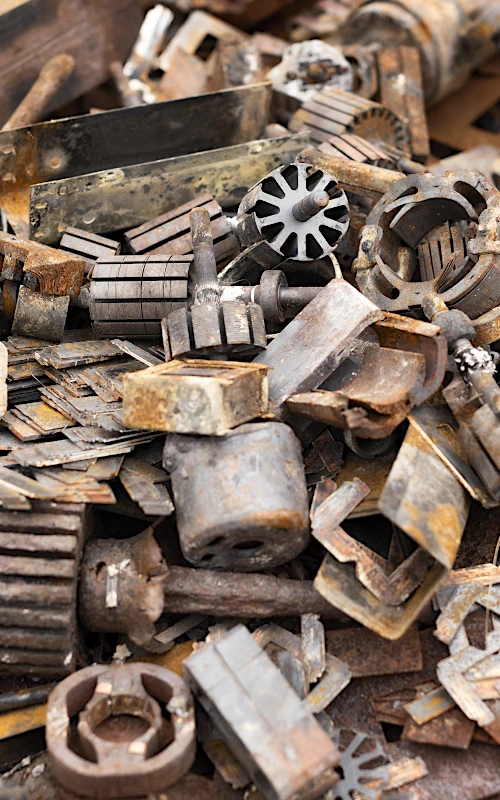
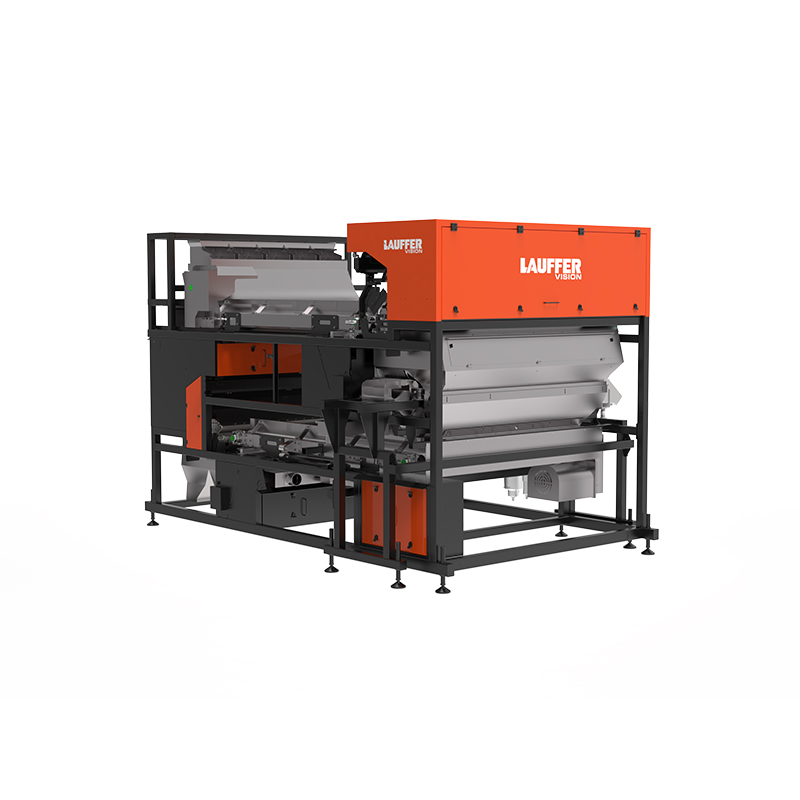
Electronic waste recycling (AI+RGB)
Scope:
In complex metal flows, mechanical or magnetic separation may not be sufficient. We integrate artificial vision and artificial intelligence systems that identify materials by visual, morphological, or in-line behavior criteria, with greater precision and fewer operational errors.
Applications:
- Separation of metal mixtures with contaminants
- Recovery of aluminum, copper, and stainless steel
- Sorting of parts from WEEE
- In-line quality control
Result:
Greater sorting precision, better quality of recovered material, and improved process control.
Scope:
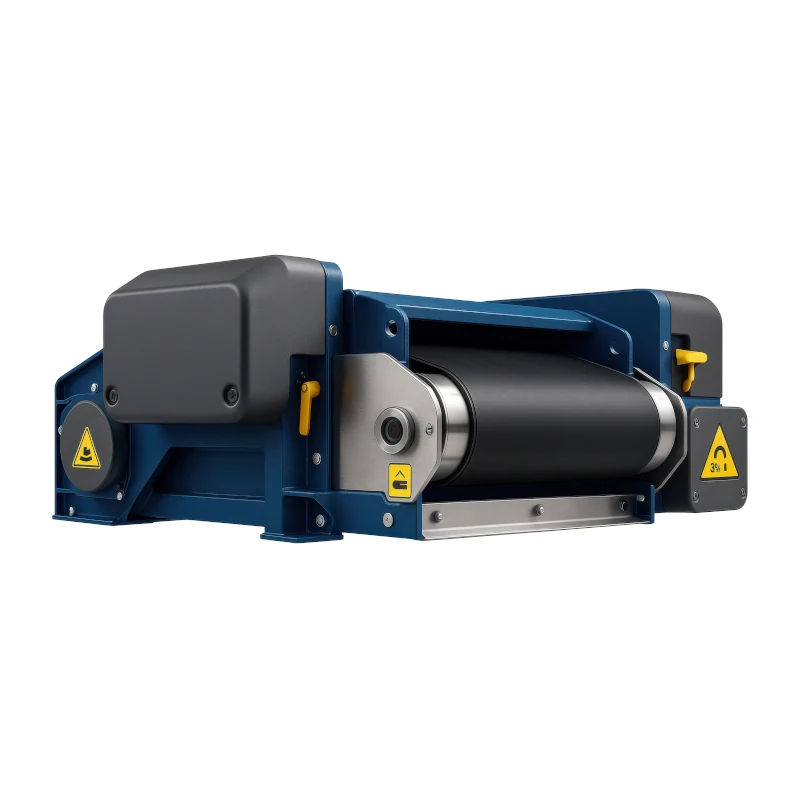
Eddy current separators recover non-ferrous metals present in mixed flows: aluminum, copper, brass, zinc. They reduce the amount of valuable metal that ends up in the reject and improve the quality of the separated material for sale or reprocessing.
Applications:
- Recovery of aluminum and other non-ferrous metals
- Treatment of metal and inert mixtures
- WEEE recycling lines
- Processes with multi-material industrial waste
Result:
Greater recovery of valuable metals, fewer losses in the reject, and cleaner materials for sale.
Is your metal recycling line losing valuable metal in the reject?
If you manage scrap, industrial waste, WEEE, or complex metal mixtures, we can analyze your process and provide a real technical assessment: where losses occur, what causes them, and what room for improvement exists in both the process and the machinery.

