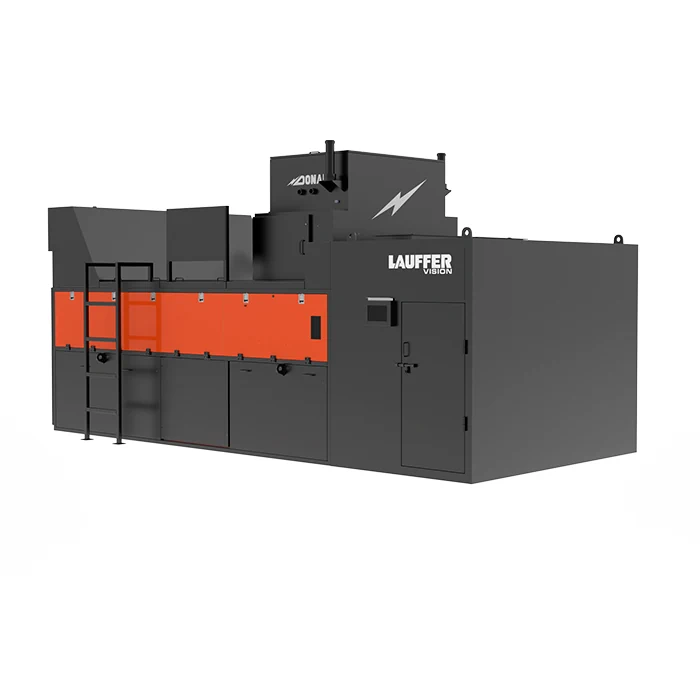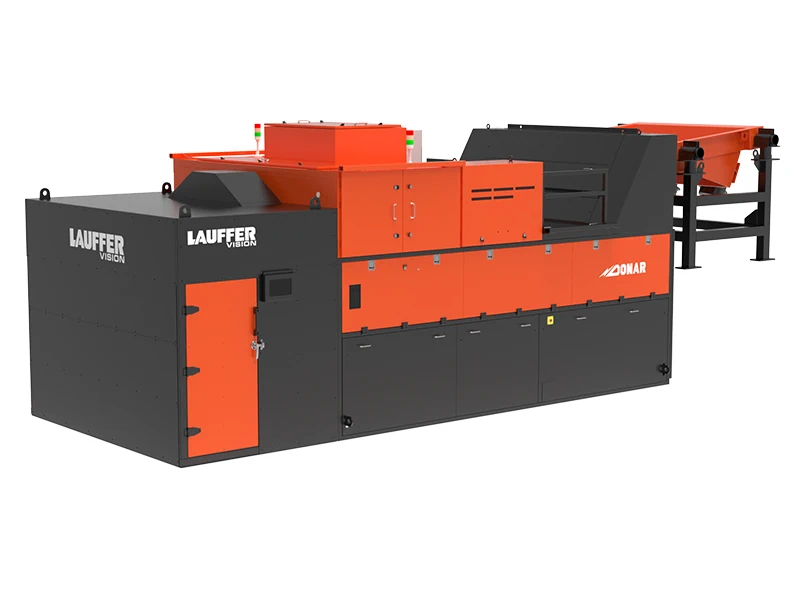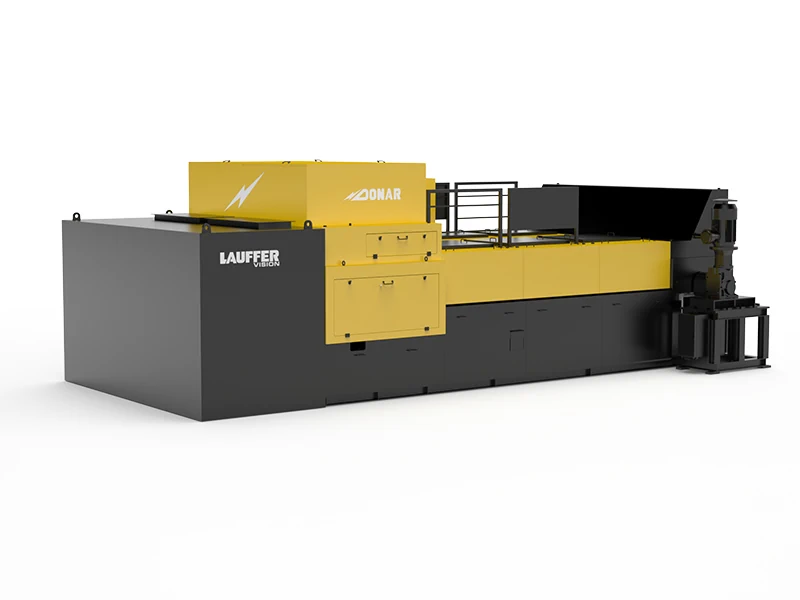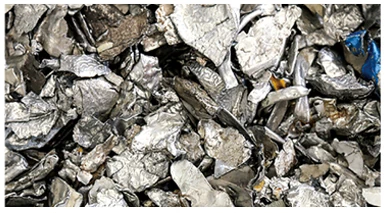
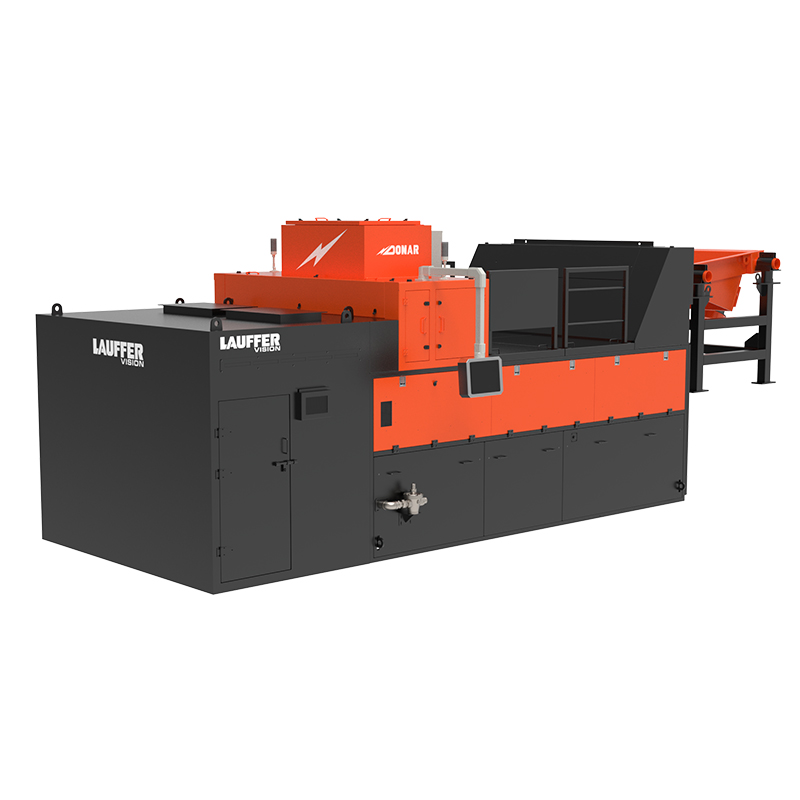
Electronic Waste Recycling (DE-XRT+IA)

Donate DE-XRT Sorter

✔ Industrial E-Waste Recycling
✔ Precise recovery of copper, aluminum, and precious metals using DE-XRT and AI, increasing value and reducing contamination

Donar DE-XRT Non-Ferrous Metal Recycling Sorter

Zero Waste Solutions makes your machinery perform more

Acquiring new machinery entails many challenges for a company. It’s not just about buying new technology, it’s about implementing it and getting the most out of it. Zero Waste Solutions accompanies you as a partner throughout this process and also offers after-sales technical service to ensure the correct operation and optimization of your Grün HPB IA-SWIR Lauffer Vision Technology Sorter.


System design and engineering

We analyze the type of non-ferrous metal, the input volume, the level of contamination, and the final goal of the recycled material. With this information, we design a technical solution adapted to each plant.

Machinery selection and integration

As suppliers, we recommend and integrate the most suitable equipment for each process: crushing, washing, drying, separation, extrusion, compounding, pelletizing, and auxiliary equipment.

Implementation and commissioning

We handle the implementation of the solution at the plant, coordinate the installation, and perform the necessary adjustments so that the line operates stably from the start.

Technical support and optimization

After commissioning, we continue to accompany the client to improve performance, reduce inefficiencies, and optimize the quality of the recovered material.

Meet your Donate DE-XRT Sorter from Lauffer Vision Technology

The Donate DE-XRT is an advanced sorter for e-waste that combines dual-energy X-rays with AI-based deep learning algorithms. Its technology allows metals, plastics and other materials present in WEEE streams to be accurately identified and separated.

The system analyzes how each material absorbs and transmits low- and high-energy X-rays. Thanks to these differences, the machine can recover materials such as copper, aluminum, gold, silver and plastics, reducing the need for manual sorting and improving process efficiency.

Dual-energy X-ray sorting

The technology works with two levels of energy:
Low-energy X-rays: 20–50 keV
High-energy X-rays: 80–150 keV

Each material has a different response to both energy levels. This difference is expressed by the double energy DER, which allows materials to be distinguished with high precision. Thanks to these differences, the Donar DE-XRT can recognize and separate complex materials within e-waste with high accuracy.

Plastic

Plastic exhibits high absorption at low energy and low absorption at high energy.
Low Energy: Low Transmission
High energy: high transmission
RIGHT: < 1,5

Aluminum

Aluminium falls somewhere in between the densest plastics and metals.
Low Energy: Medium Transmission
High energy: high transmission
DER: 1.5–2.5

Copper

Copper shows very high absorption at low energy and moderate absorption at high energy.
Low Energy: Low Transmission
High Energy: Medium Transmission
RIGHT: > 2,5

Silver

Silver offers extremely high absorption at low energy and moderate absorption at high energy.
Low energy: very low transmission
High Energy: Medium Transmission
DER: 3.0–4.0

Gold

Gold has almost total absorption at low energy and high absorption even at high energy.
Low energy: near-zero transmission
High energy: low transmission
RIGHT: > 5,0

Technical Specifications

Superior dual-energy X-ray transmission

It allows metals, plastics and other materials to be identified and separated into electronic waste based on their differences in absorption and penetration.

Proprietary AI deep learning algorithms

The system reproduces and optimizes manual sorting criteria by training the DE-XRT intelligent sorter, incorporating material-specific standards and identification standards.

Reliable, high-performance ejection system

It integrates powerful, high-speed air ejectors, developed to remove the selected material with precision and maintain reliable operation in high-capacity processes.

Modular and flexible design

Its modular design allows it to work with belt widths of 1200, 1800 and 2800 mm, offering greater operational flexibility to e-waste recycling plants.

Machine Capabilities

Technical specifications of Grun VPC Optical Sorting Machine
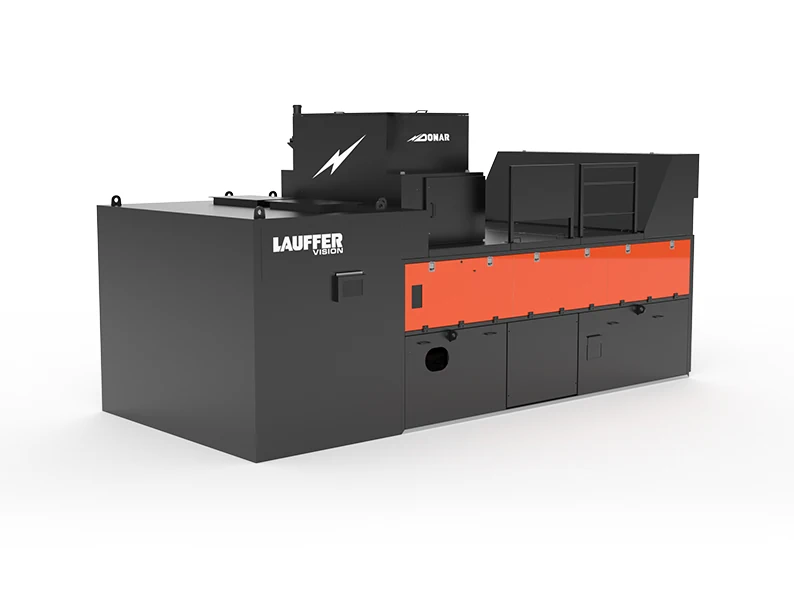
Donate DE-XRT1200

Tape width: 1200 mm
Air ejectors: 202
Sorting size: 10–80 mm
Capacity: 4–10 t/h
Air consumption: 15 m³/min
Power: 12 kW
Dimensions: 5675 × 2436 × 2349 mm
Weight: 5.8 t

Donate DE-XRT1800

Belt width: 1800 mm
Air ejectors: 304
Sorting size: 10–80 mm
Capacity: 6–16 t/h
Air consumption: 20 m³/min
Power: 15 kW
Dimensions: 5675 × 2890 × 2751 mm
Weight: 8.0 t

Donate DE-XRT2800

Belt width: 2800 mm
Air Ejectors: 468
Sorting size: 10–80 mm
Capacity: 10–28 t/h
Air consumption: 25 m³/min
Power: 22 kW
Dimensions: 7780 × 4142 × 2594 mm
Weight: 15.0 t

Applications

Result of Grün VPC Optical Sorting Machine

01

Classification of printed circuit boards — PCB

Identification and separation of copper, aluminum, gold, silver and plastic substrates present in circuit boards.

02

Electronic Component Recycling

Recovery of precious metals from resistors, capacitors, connectors and other electronic components.

03

Processing Waste Cables

Separation of copper or aluminium cores from PVC or PE insulating layers.

Add high-impact machinery to your factory

Tell us what type of plastic waste you manage, what capacity you need, and what result you want to achieve. We help you define the most suitable technical solution for your operation.

Scroll to Top