Industrial recycling of E-Waste / Non-ferrous metals

Eddy currents

✔ Recovers valuable metals in mixed recycling streams
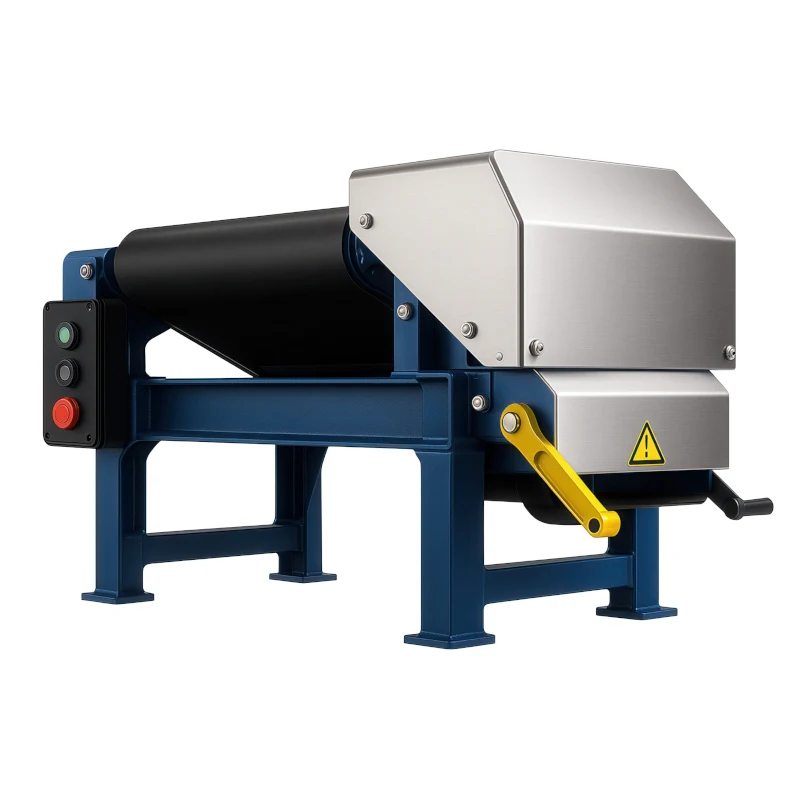
Eddy Current Separators, also known as Eddy Current Separators, allow the recovery of non-ferrous metals present in mixed waste, such as aluminium, copper, brass or zinc.
✔ This technology is especially useful in plants where some of the usable metal ends up mixed with plastics, inert materials, shredded waste or reject. Proper equipment integration can improve metal recovery, reduce losses, and increase the value of the separated material.

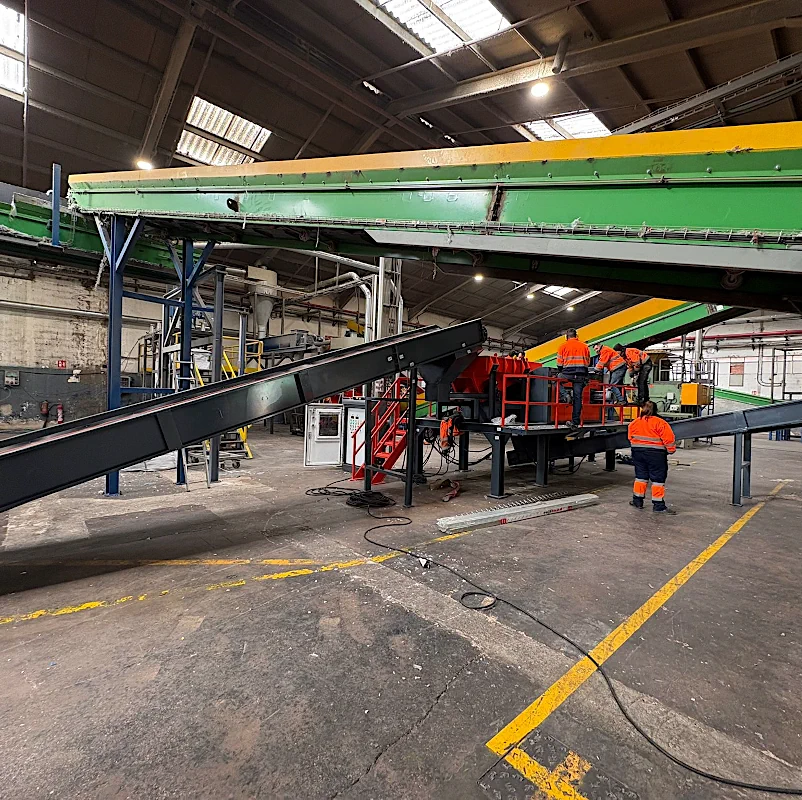
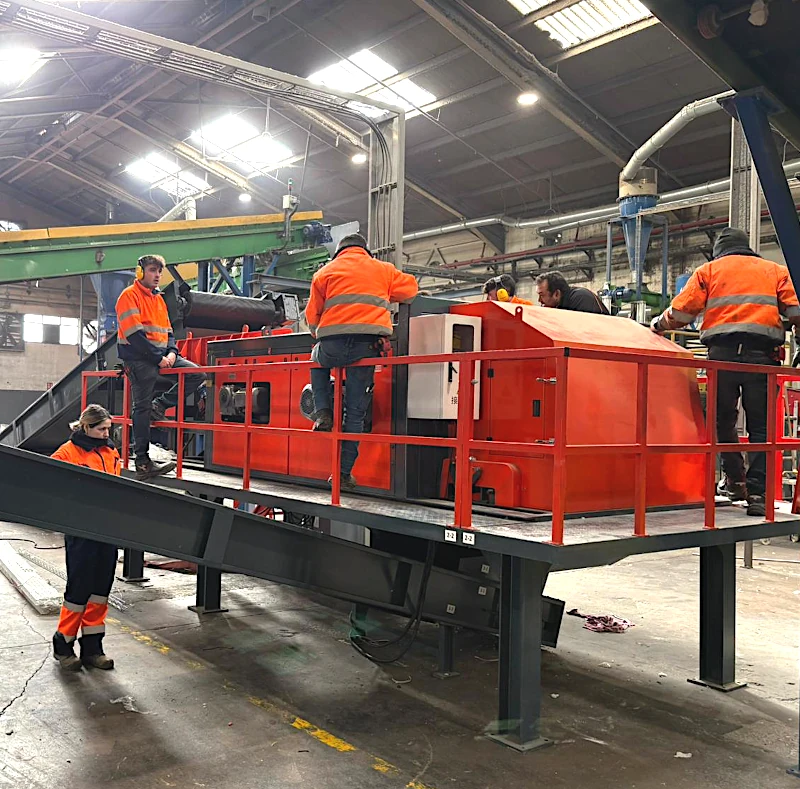
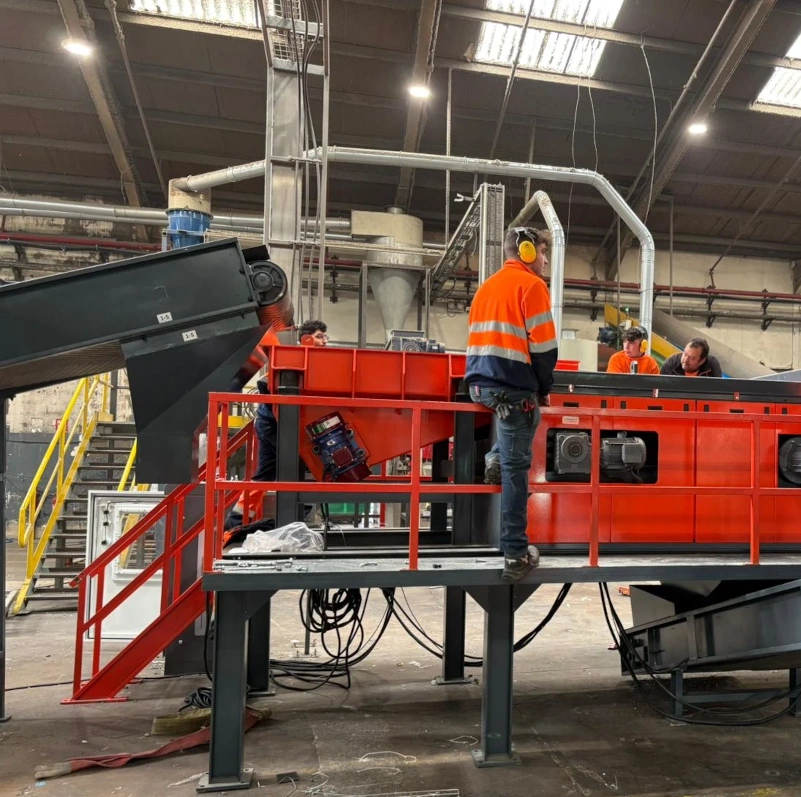
Eddy Current Installation ZW Solutions

What does an eddy current separator solve?

In many recycling processes, non-ferrous metals are mixed with other materials after initial crushing, screening, or separation.

The eddy current separator helps to recover these metal fractions automatically, separating them from the rest of the flow and facilitating their subsequent sale, recovery or reprocessing. Its main function is to improve the efficiency of the process and prevent valuable materials from ending up in rejection.

Zero Waste Solutions Eddy Current installation project in Spain
Typical applications

This technology can be integrated into different types of plants and industrial processes where there is a mixture of materials and non-ferrous metals need to be recovered more efficiently.

01

Recovery of aluminum and other non-ferrous metals

Eddy current separators allow materials such as aluminium, copper, brass or zinc to be recovered that can be mixed with other waste after crushing or screening. This recovery helps to reduce losses and obtain metal fractions with greater commercial value.

02

Treatment of metallic and inert mixtures

In many industrial processes, non-ferrous metals are mixed with inert materials such as plastics, rubbers, glass, aggregates or other fractions with no metallic value. Eddy current separation allows usable metals to be extracted and the resulting flow cleanliness to be improved.

03

WEEE recycling lines

In the recycling of waste electrical and electronic equipment, this technology is especially useful for recovering aluminum, copper and other metals present in small components, housings, cables or shredded parts. Their integration helps to increase the valorisation of the treated material.

04

Processes with multi-material industrial waste

Industrial waste is usually made up of a combination of metals, plastics, textiles, rubbers or other materials. Eddy current separators help to recover non-ferrous metal fractions within these complex streams, improving the efficiency of the overall process.

05

Separation of metals in mixed streams with plastics

When the shredded plastic contains metal particles, eddy current separation allows non-ferrous metals to be removed before later steps such as washing, optical sorting or extrusion. This helps to protect the machinery and improve the quality of the recovered plastic material.

06

Processes with multi-material industrial waste

Industrial waste is usually made up of a combination of metals, plastics, textiles, rubbers or other materials. Eddy current separators help to recover non-ferrous metal fractions within these complex streams, improving the efficiency of the overall process.

07

Reduction of usable metal that ends in rejection

In plants where a part of the aluminium, copper or other metals ends up in reject, this technology makes it possible to recover material that still has value. The result is less economic loss, a cleaner reject stream, and greater profitability of the recycling process.

eddy current 2

Materials You Can Recover

Depending on the flow composition and line configuration, eddy current separators can help recover:

  • Aluminum.
  • Copper.
  • Brass.
  • Zinc.
  • Other non-ferrous metals present in industrial mixtures.
  • Metal fractions from WEEE or multi-material waste.

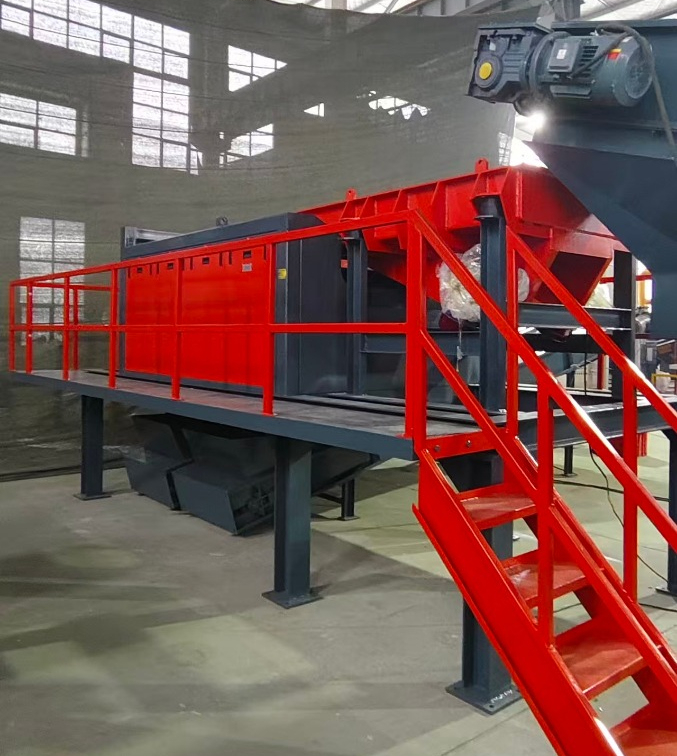
Eddy current separation systems for recovering aluminium, copper, brass, zinc and other non-ferrous metals present in mixed recycling streams.

How it integrates into a recycling line

The performance of an eddy current separator depends on its correct location within the process. In many cases, this technology is combined with other equipment such as feeders, conveyor belts, screens, magnetic separators and downstream sorting systems.

Before installing it, it is important to analyze:

  • Type of input residue.
  • Material size.
  • Level of mixing with plastics, inerts or other waste.
  • Previous presence of ferrous metals.
  • Required production capacity.
  • Metal recovery target.
  • Space available on the ground floor.

Benefits for the plant

Greater metal recovery

It allows the recovery of non-ferrous metals that might otherwise be lost in rejection.

Less loss of recoverable material

It helps to make better use of the treated flow and reduce the amount of useful metal that is not recovered.

Cleaner and more commercial outputs

It improves the quality of the separated fractions, making them easier to sell or reprocess.

Improved process cost-effectiveness

By increasing the recovery of aluminum, copper, or other valuable metals, the line can improve your economic performance.

Which companies is this solution designed for:

  • Metal recycling plants.
  • WEEE recyclers.
  • Industrial waste managers.
  • Multi-material waste treatment plants.
  • Companies that work with mixtures of plastics and metals.
  • Companies that need to improve the recovery of aluminium or other non-ferrous metals.
  • Plants that want to reduce rejection and increase material recovery.

Separation project adapted to your flow

At Zero Waste Solutions we do not approach eddy current separation as an isolated machine. We look at the entire process to define where the equipment should be located and how it should integrate with the rest of the line.

We can assist you in machinery selection, flow design, mechanical integration, installation, commissioning, and subsequent technical support.
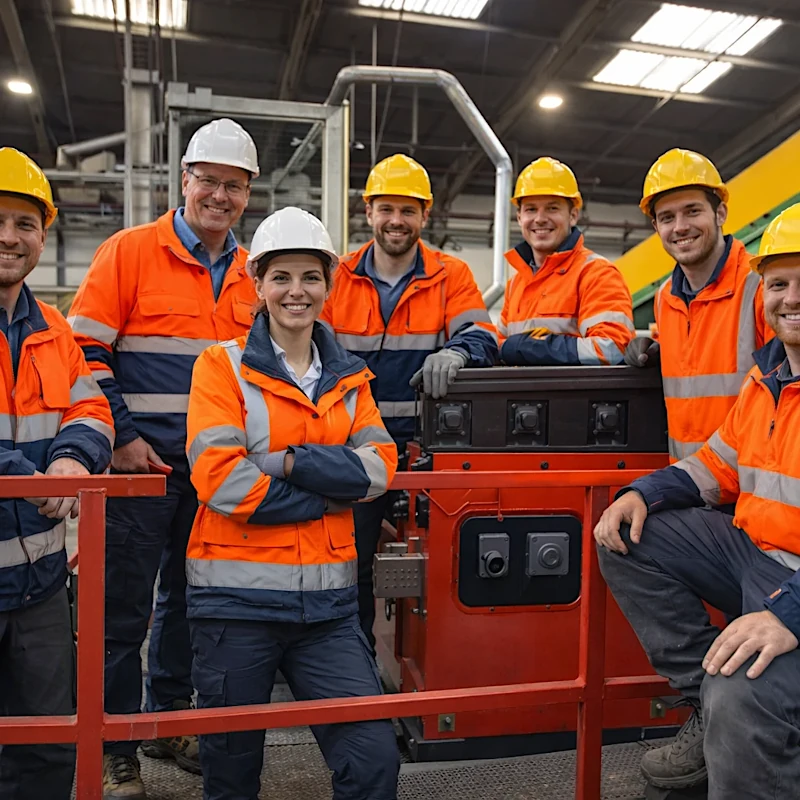
People around an 800 machine

Expected Result

A well-designed line with eddy current separation allows you to obtain: greater recovery of usable metals, fewer losses in rejection, cleaner materials, better economic use of the treated flow and a more efficient plant prepared to treat complex wastes.

Add high-impact machinery to your factory

Tell us what type of WEEE or metal waste you manage, what capacity you need and what result you want to obtain. We help you define the most appropriate technical solution for your operation.

Scroll to Top