Industrial plastic recycling

Laboratory machinery for polymers

✔ We supply laboratory machinery for companies that need to analyze, validate and control the quality of recycled plastic materials and polymers.
✔ This equipment allows you to characterize materials, check mechanical and thermal properties, validate formulations and make technical decisions before scaling up to industrial production.

Quality control for recycled plastic materials

Working with recycled plastic requires a good understanding of the material’s behaviour. Batch variability, the presence of contaminants, or changes in flowability, density, moisture, or strength can affect the industrial process.

Laboratory machinery allows material to be measured, compared and validated before it is used in production.

Available Lab Equipment

Depending on the needs of the laboratory, we can supply equipment for:
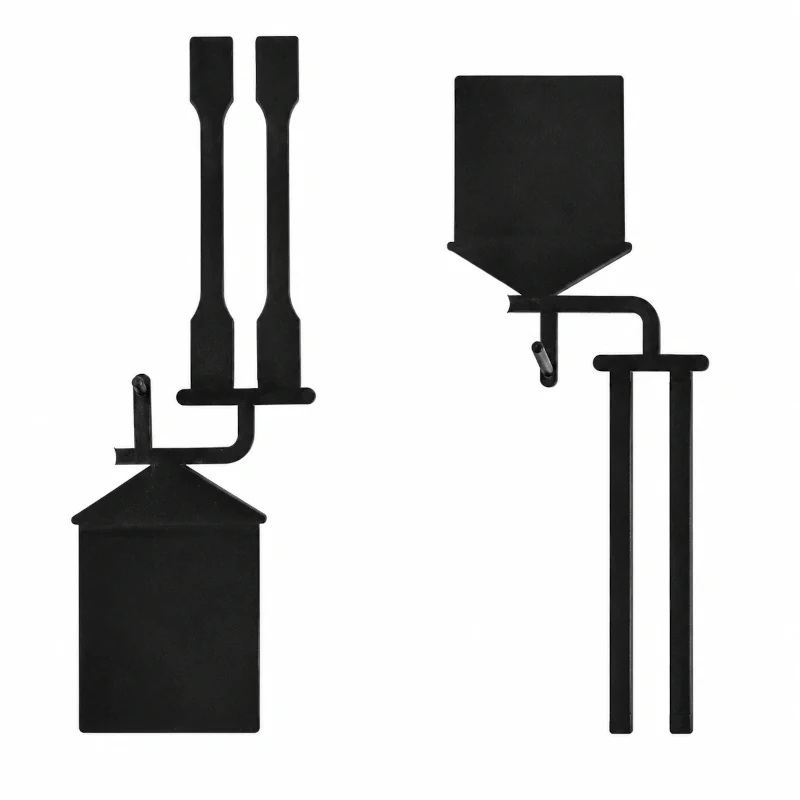
Test tube mold. Plastics recycling

Specimen mould

The specimen mold is a steel mold that is installed in an injection machine to manufacture standardized plastic parts.
These parts are then used in laboratory tests to analyse the mechanical properties of the material, such as its strength, stiffness or behaviour against deformation. It is a basic element for characterizing and comparing different recycled polymers.

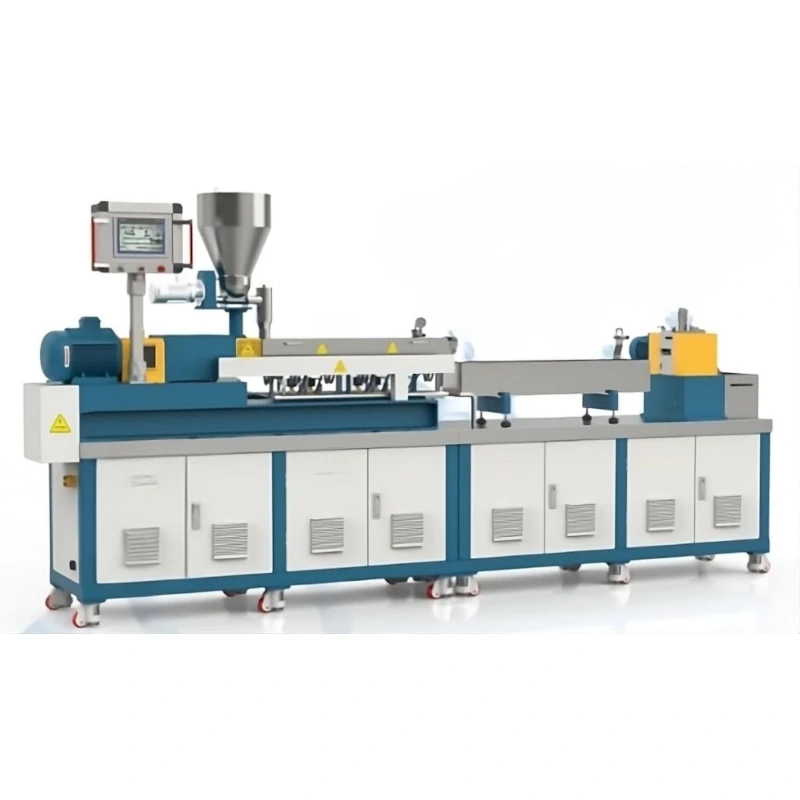
Laboratory Extruder

Laboratory Extruder

The laboratory extruder allows small-scale mixtures of plastic materials to be prepared for further injection and testing.
It is used to formulate, homogenize and evaluate different compositions before taking them to production. It can be single-spindle or twin-spindle, depending on the level of mixing and control required by the material.

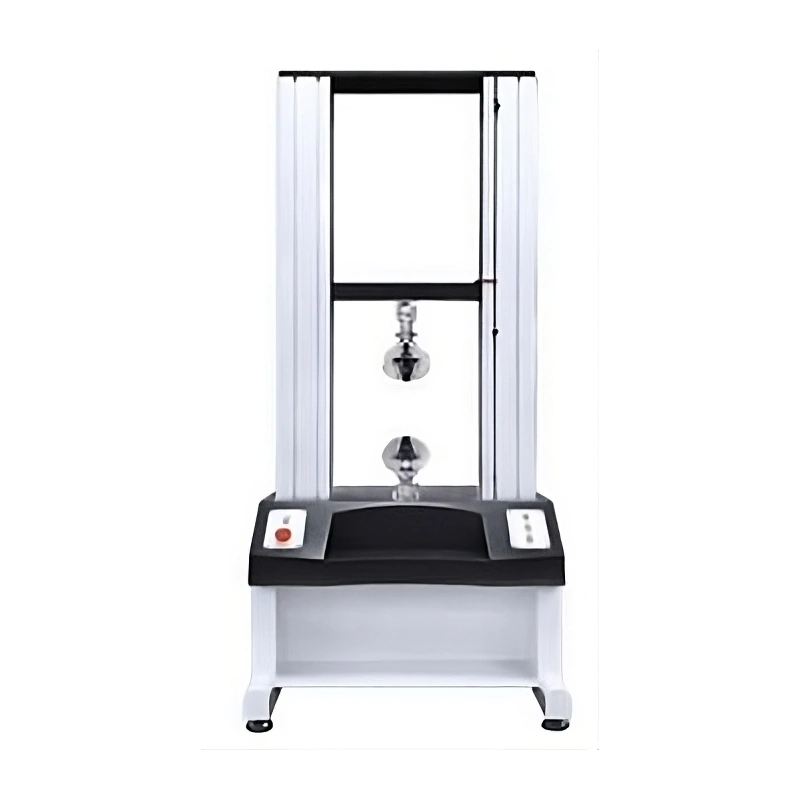
Universal Testing Machine

The universal testing machine allows the mechanical behaviour of a material to be analysed using injected specimens of standard size. During the test, the specimen is subjected to tensile until it deforms and breaks. The equipment measures the stresses and deformations generated during the process, which makes it possible to characterize properties such as stiffness, resistance and the behavior of the material against deformation.

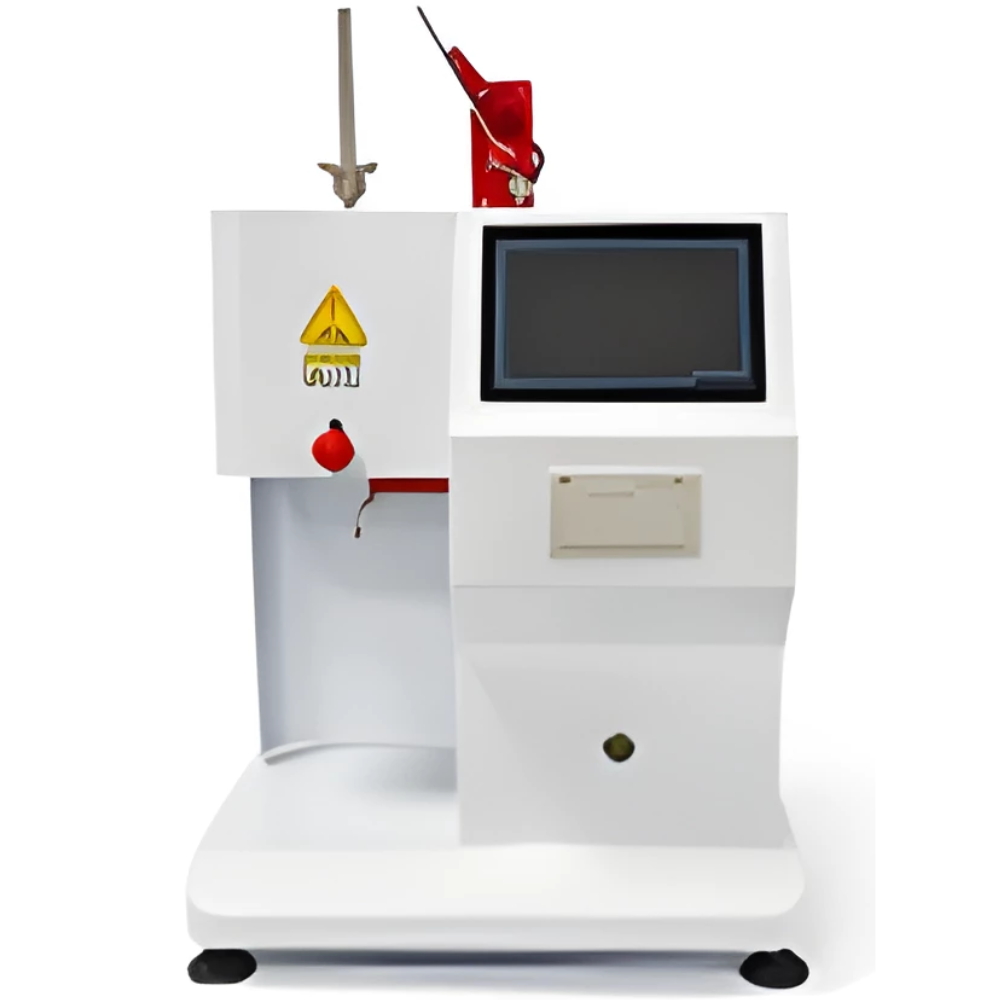
Flow meter

Flow meter
The Flow Gauge allows you to evaluate how a molten polymer behaves when subjected to a certain temperature and load.
This test helps to understand how easily the material flows during processes such as extrusion or injection. It is especially useful for comparing batches, controlling the quality of recycled material and detecting variations in its behavior before taking it to production.

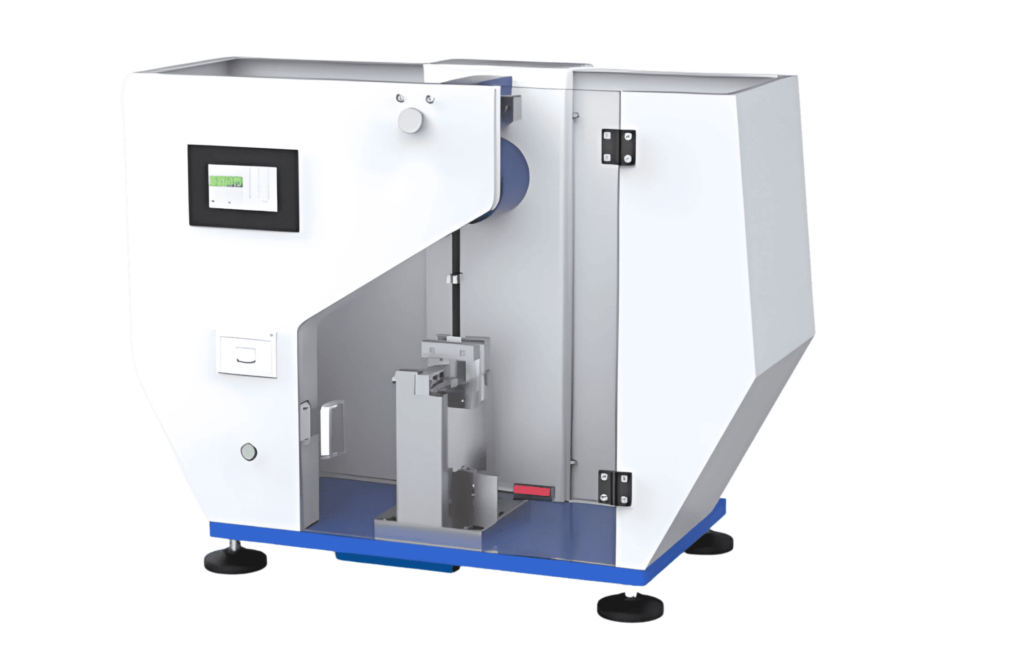
Izod-Charpy Trials

The Izod and Charpy tests allow the impact resistance of a polymer to be measured.
To perform the test, an injected specimen with standardized dimensions is used. The machine hits the sample and records the absorbed energy until it breaks. This value allows the toughness of the material to be evaluated and its behavior compared to shocks, falls or sudden stresses.

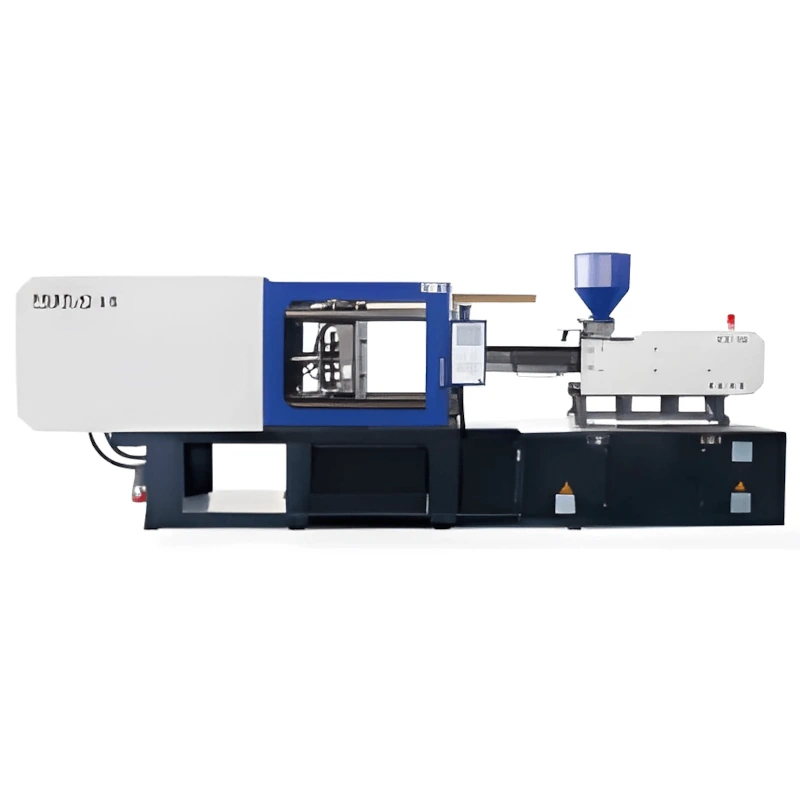
Specimen Injection

Specimen injection

Specimen injection machines make it possible to manufacture standardized plastic samples for subsequent laboratory analysis.
From molten material, the equipment injects the polymer into a specific mold to obtain specimens with the shape and dimensions necessary for testing. These samples are then used in tensile, impact, flexural or other characterization tests.

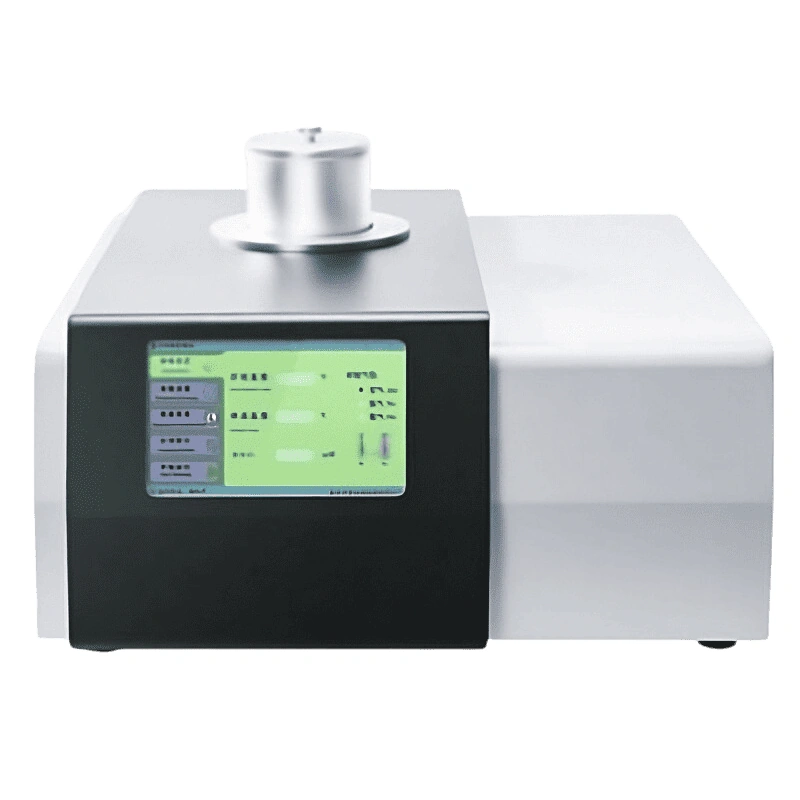
DSC

DSC

DSC allows the thermal behavior of polymers to be analyzed by measuring the energy changes that occur when they are heated or cooled.
It is used to identify melting, crystallization, or glass transition temperatures, as well as to evaluate the thermal stability of the material. It is a useful equipment for comparing batches, validating formulations, and controlling the quality of recycled materials before industrial processing.

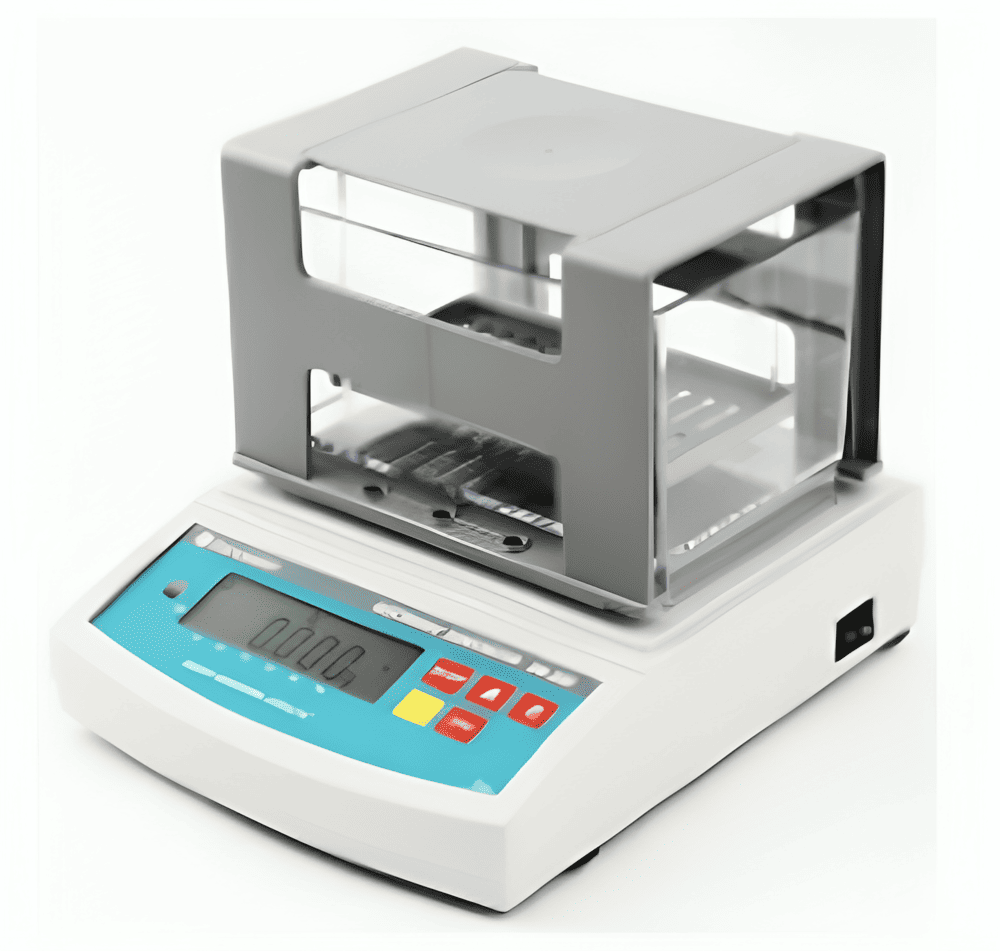
DENSITY METER

Density Meter

The density gauge allows the density of polymers to be determined quickly and accurately.
It is a useful piece of equipment for characterizing recycled materials, comparing batches, and detecting possible variations in material composition. This information helps to control the quality of the polymer before it is transformed into processes such as extrusion, injection or compounding.

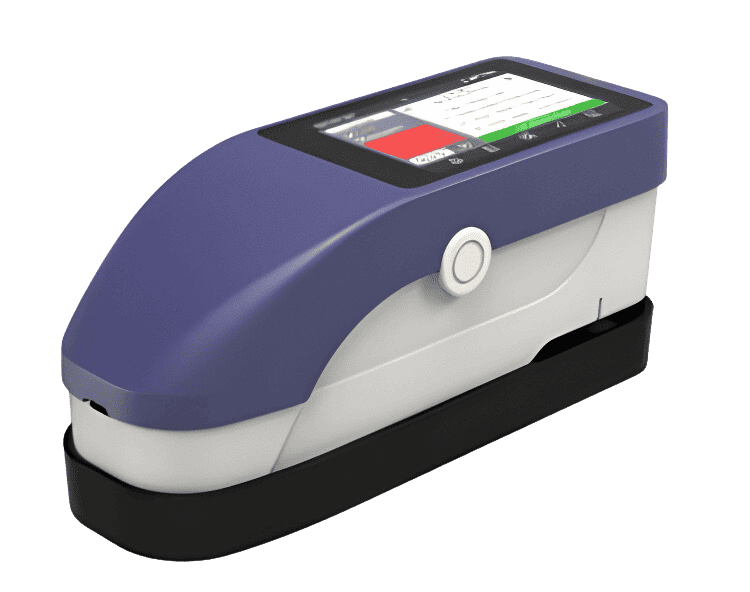
Colorimeter

It is a spectroscopic colorimeter that allows fast and accurate color measurements in various materials such as paints, plastics, textiles, and leather.

Thanks to its high-efficiency LED light source and beam-splitting structure, it ensures reliable color control and stability in every measurement.

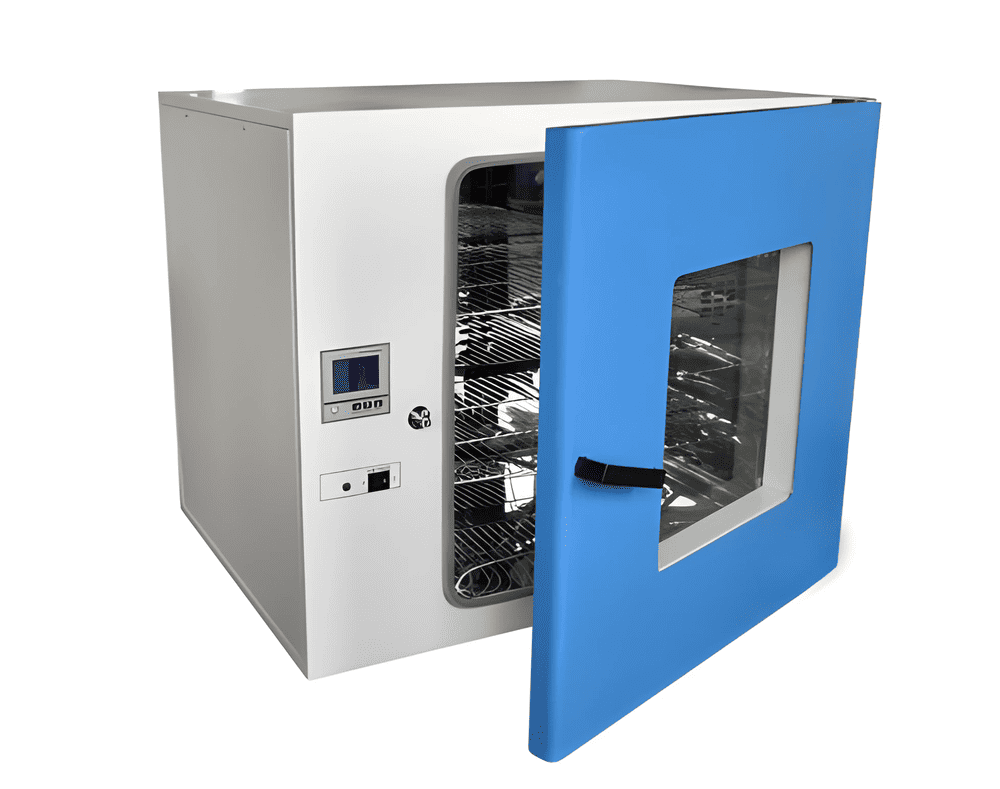
DRYING OVEN

Drying oven

This equipment is ideal for drying, sterilization and high-precision thermal testing, thanks to its forced air circulation system that ensures a constant and homogeneous temperature. It is widely used in laboratories and chemical, biological and materials industries for applications such as sample drying, aging testing and sterilization.

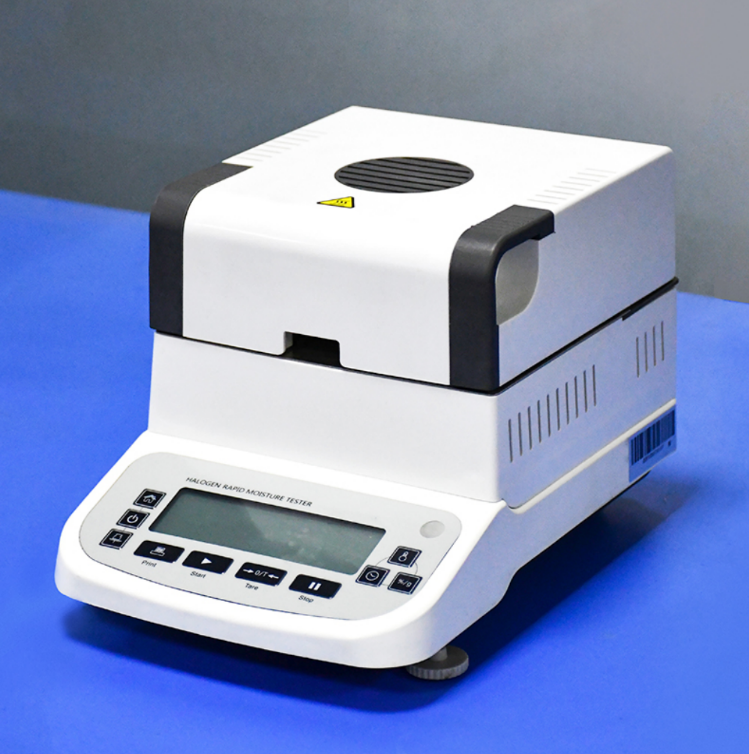
FAST MOISTURE METER

Moisture Meter

The moisture meter allows you to monitor the amount of water present in plastic materials before processing.
This measurement is key in processes such as extrusion, injection or compounding, as excess moisture can affect the quality of the material, generate defects in the final product or cause instability during processing.

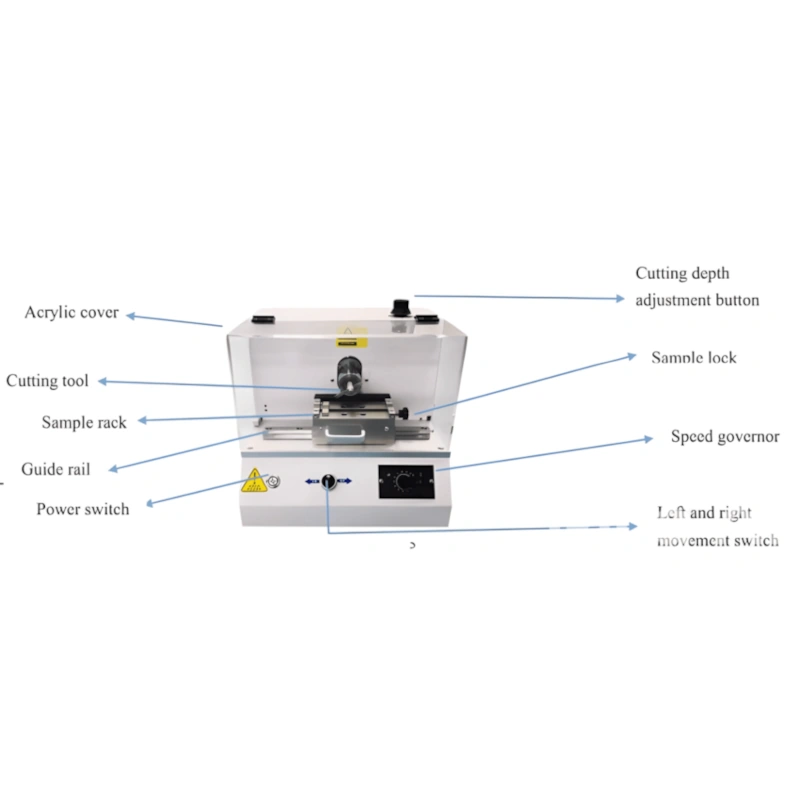
Notching Machine

This machine is designed to prepare standard samples used in impact tests such as Charpy and Izod, according to international standards (ASTM and ISO).

This equipment is essential in quality control and research laboratories to ensure uniformity and precision in notch machining, which are crucial for evaluating the mechanical strength of plastic, metallic, or composite materials.

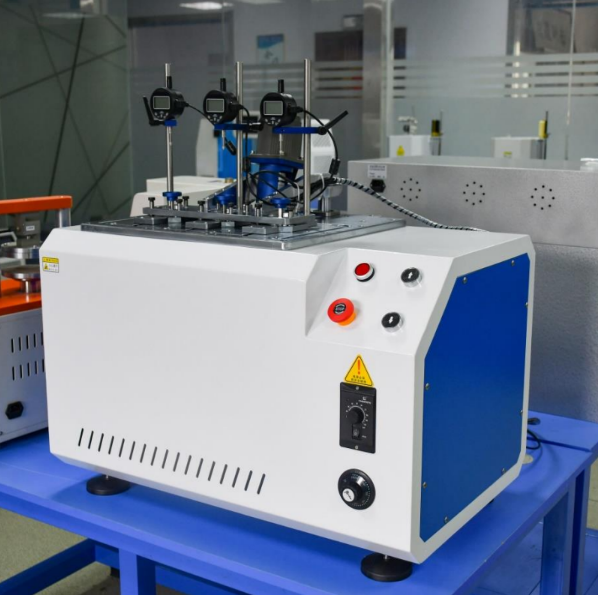
HDT-Vicat

To measure heat deformation and softening point.

This instrument measures the resistance of plastic materials to heat deformation and determines their softening point according to the Vicat method.

It is essential for analyzing the thermal behavior of polymers in high-temperature applications.

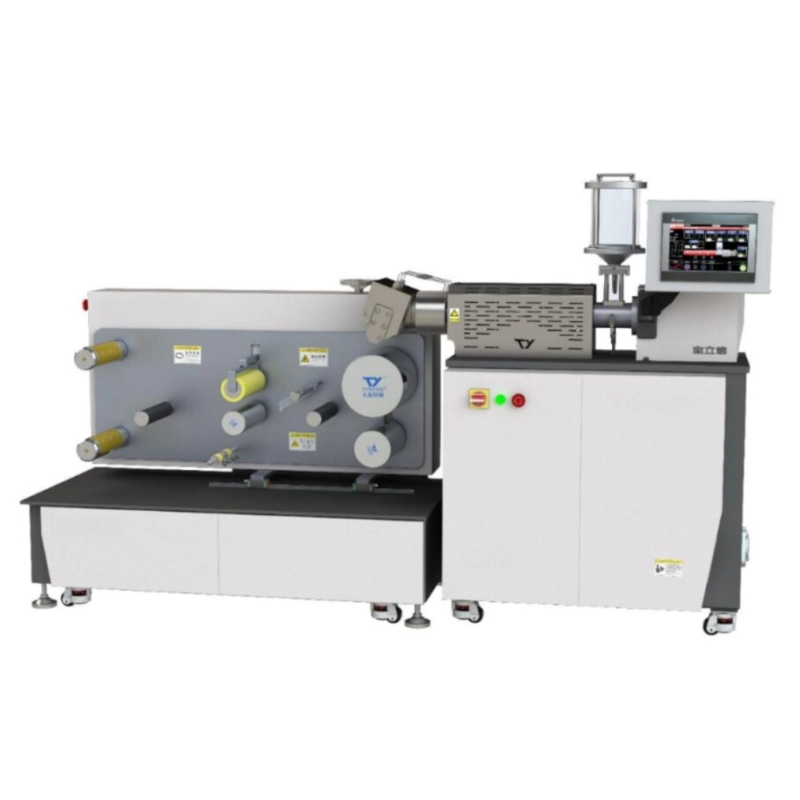
Casting Extruder

Casting Extruder

This advanced equipment is designed for processes such as extrusion, casting, traction, trimming and winding, being ideal for the molding and processing of polymeric materials.

It is a key tool in laboratories developing new materials or perfecting casting processes.

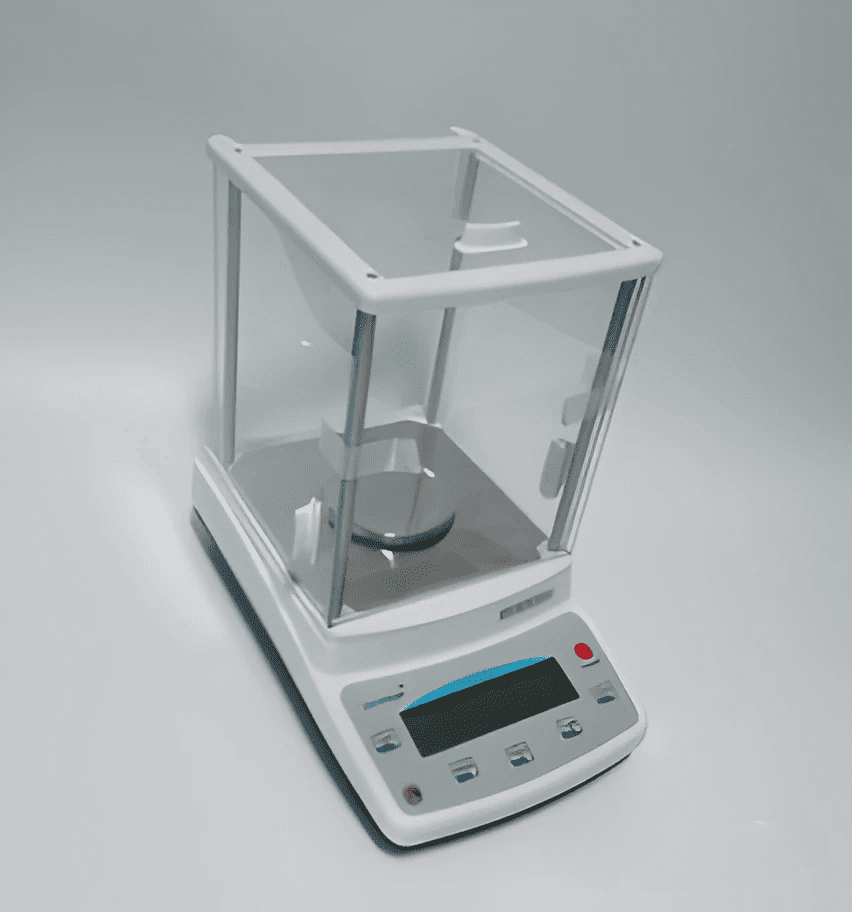
ANALYTICAL BALANCE

Analytical Balance

This high-precision instrument accurately measures up to 0.001 g and 0.0001 g, using advanced microcomputer technology and sensors based on the principle of electromagnetic balance.

It is indispensable in laboratories, industries, scientific institutions, road construction, and defense applications, where small differences in weight are crucial for successful processes and analyses.

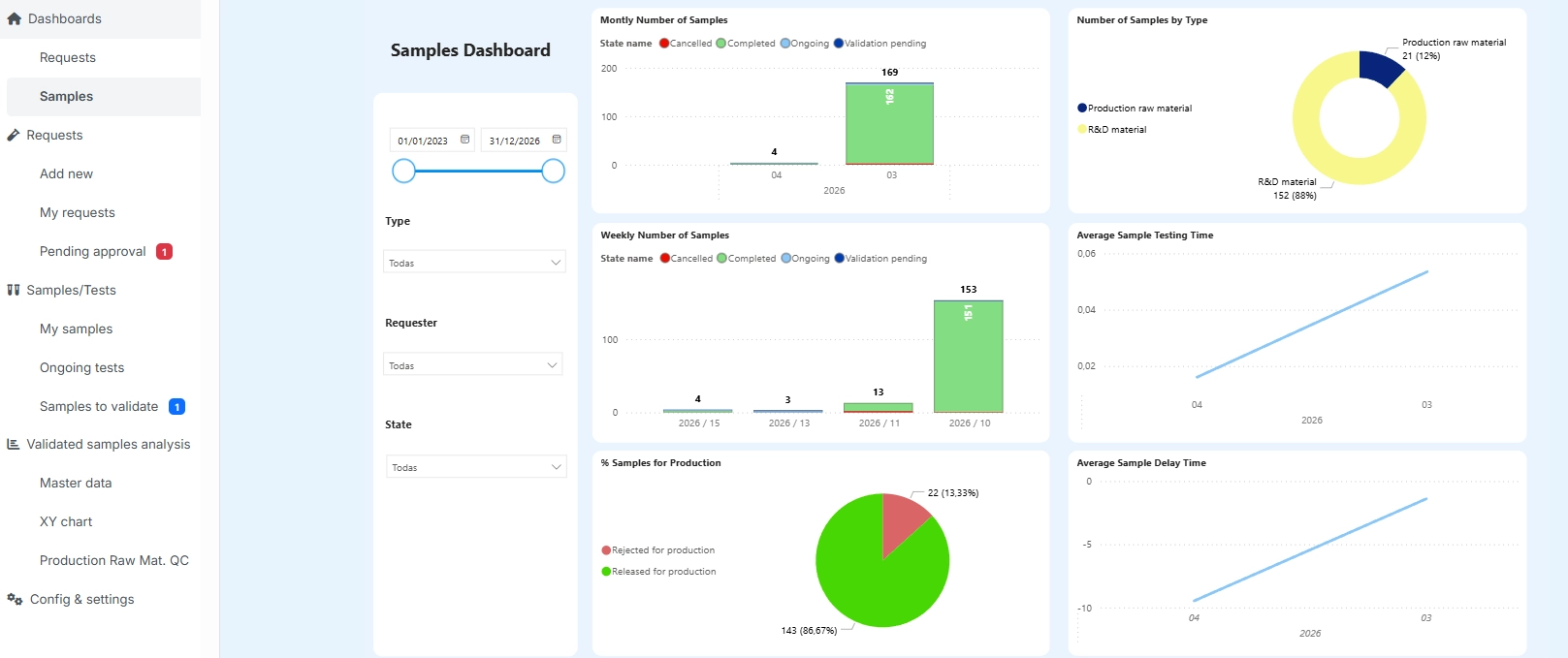
LIMS software for traceability.
The future approach


LIMS software allows you to centralize and manage the data generated by the laboratory’s measurement equipment.

The system automatically collects information from the different devices, stores it in a database and facilitates its consultation, review and analysis. In this way, the laboratory can work with ordered, traceable and available data for material quality control.

It is specially developed for recycled plastics laboratories, where traceability of the process and results is key. In addition, it helps to document the information necessary to comply with the requirements of the UNE 15343:2008 standard linked to the end of waste condition
Automation and data — The future approach

Automatically collects data from laboratory equipment

Reduces manual work and prevents errors when capturing test results, measurements, and quality controls.

Centralizes information
in a
database

Allows for storing, consulting, and reviewing data for each sample, batch, or recycled material in an organized manner.

Upgrade
Traceability
of the
Recycled Plastic

Helps track the material’s history from initial analysis to validation, facilitating documentary and technical control.

Facilitates regulatory compliance

The LIMS is developed for recycled plastics and enables exhaustive traceability aligned with the UNE 15343:2008 standard for end-of-waste status.

Laboratory equipment for testing, quality control, polymer characterization, process validation and R+D in recycled plastics

Main applications

This machinery is useful for:

  • Quality control of recycled pellets.
  • Batch validation.
  • Comparison between virgin and recycled material.
  • Development of new formulations.
  • Mechanical and thermal tests.
  • Analysis of moisture, density, color and fluidity.
  • R+D in polymers.
  • Technical documentation and traceability.

Benefits for recycling and industrial companies

Having laboratory machinery allows:

  • Reduce uncertainty about material quality.
  • Validate suppliers and batches.
  • Detect problems before production.
  • Adjust industrial parameters.
  • Improve formulations.
  • Meet technical requirements of customers.
  • Working with data and traceability.
  • Increase confidence in the use of recycled plastic.
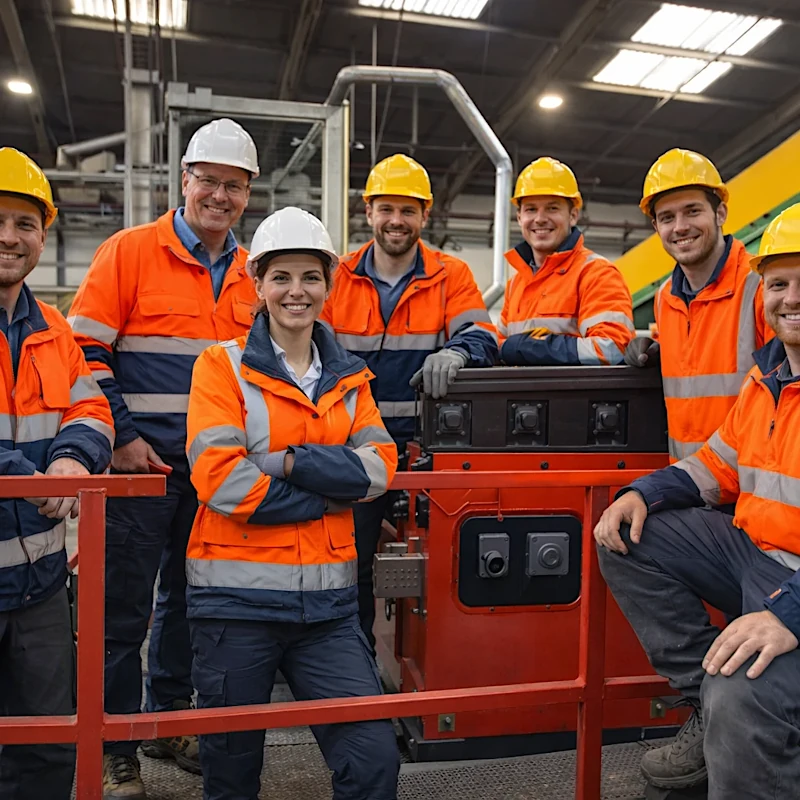
People around an 800 machine

From the laboratory to the plant

At Zero Waste Solutions we connect laboratory work with the industrial process. This means that the tests are not siloed, but serve to improve real production, adjust machinery and make technical decisions with greater confidence.

Define your polymer lab

Tell us what type of plastic waste you manage, what capacity you need, and what result you want to achieve. We help you define the most suitable technical solution for your operation.

Scroll to Top