Industrial plastic recycling

AI-based plastics separation

✔ We integrate optical separation technologies and artificial intelligence to improve the sorting of recycled plastics and reduce the presence of improper plastics in the process.
✔ These solutions allow materials to be separated before or after crushing, improve flake quality, and reduce reliance on manual separation.

Lauffer Optical Sensors for Flakes and Pellets

More accuracy to recover higher-value materials

In a recycling plant, the final quality of the plastic depends largely on separation. Incorrect sorting can lead to rejects, reduce the price of the material or cause problems in later stages such as washing, extrusion or pelletizing.

Optical separation systems, NIR sensors, and artificial intelligence help identify and separate materials more accurately.

Available technologies

Depending on the point of the process and the classification objective, we can integrate:
Lauffer Optical Sensors for Flakes and Pellets

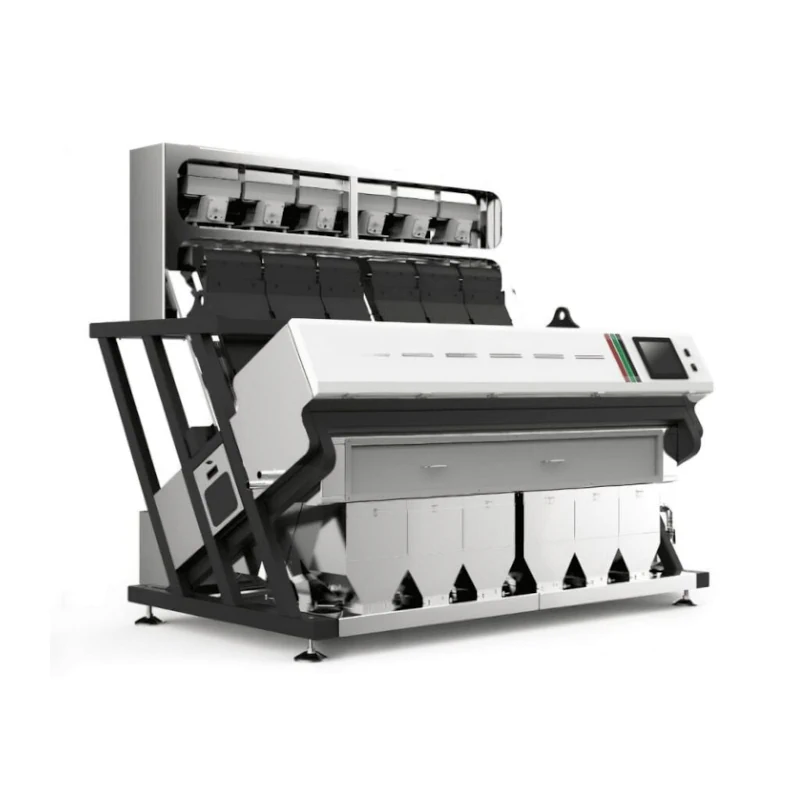
Optical flake sensors

It is an optical separator that, by means of a camera and a NIR sensor, is capable of separating the different polymers according to the material (through the use of the NIR sensor) or their color (through the use of the camera). It is a very interesting product to be able to offer high quality recyclates, similar to a virgin.

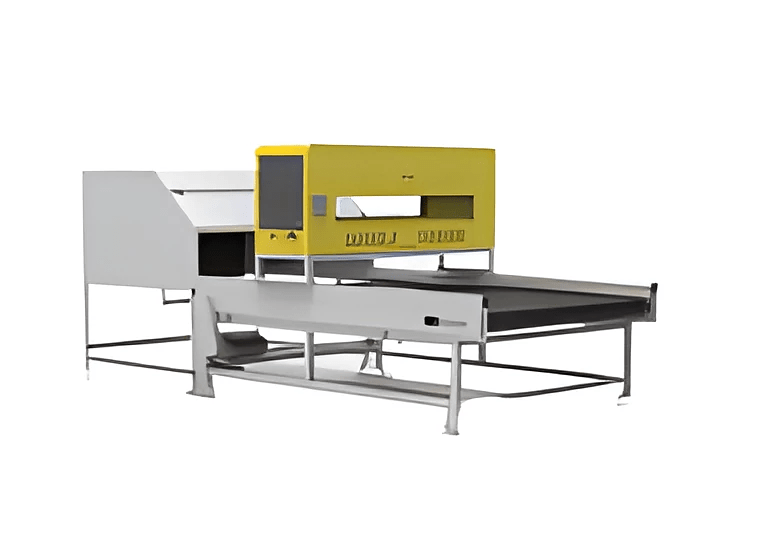
Optical sensors with artificial intelligence

These are optical sensors that, using artificial intelligence, are capable of separating materials by shape, color, label text, etc. It is a very important system for when the product is not yet crushed, reducing the need for manual separation.

DEMETALIZERS

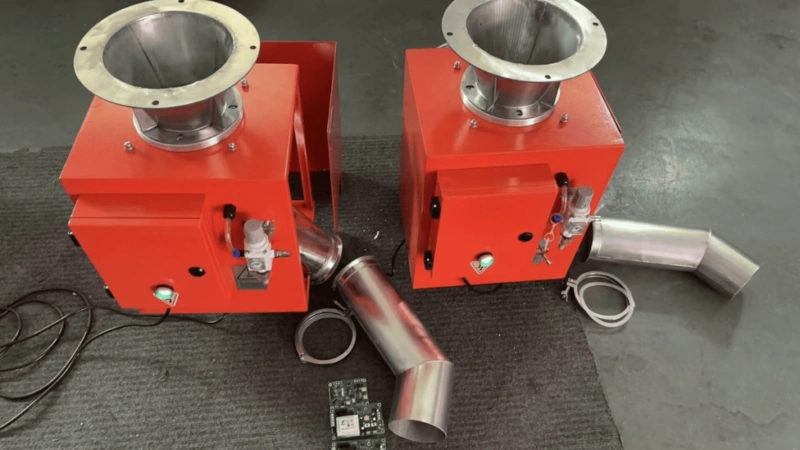
Demetalizers

Demetalizers remove metal particles present in pellets or plastic flakes. The material passes through a metal sensor detection zone, and when contamination is identified, the system activates a gate that automatically diverts the affected material toward rejection.

Optical separation systems, NIR sensors, machine vision and artificial intelligence to sort plastics by polymer, colour, shape, label or material quality.

Typical applications

These technologies can be used in different phases of the plant:

  • Before crushing, to reduce manual separation.
  • After crushing, to sort flakes.
  • Before extrusion, to protect the line.
  • In already washed materials that need higher purity.
  • In the recovery of higher value polymers.
  • In the elimination of improper or metals.

Benefits for the plant

Sensor-based and AI-based separation enables:

  • Improve the quality of recycled material.
  • Reduce improper waste.
  • Increase the recovery of useful plastic.
  • Reduce manual work.
  • Avoid contamination in later phases.
  • Prepare higher quality flakes or pellets.
  • Bring recycled material closer to higher standards.
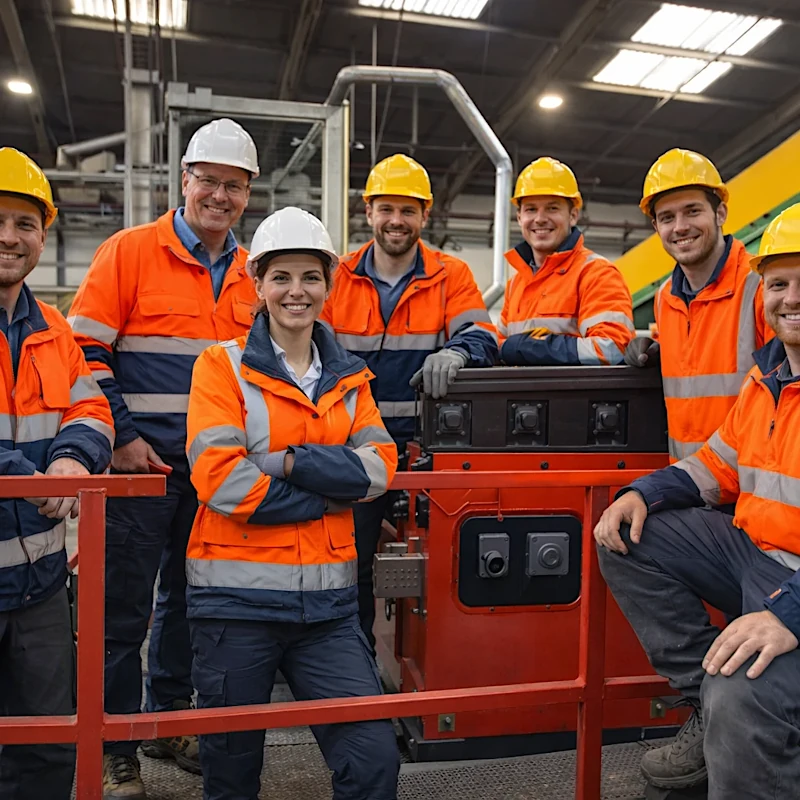
People around an 800 machine

Integration into new or existing lines

These solutions can be integrated into new projects or plants that are already operating. We analyze the material flow, the optimal separation point and the result that the company needs to obtain.

Improve the separation of your plant

Tell us what type of plastic waste you manage, what capacity you need, and what result you want to achieve. We help you define the most suitable technical solution for your operation.

Scroll to Top